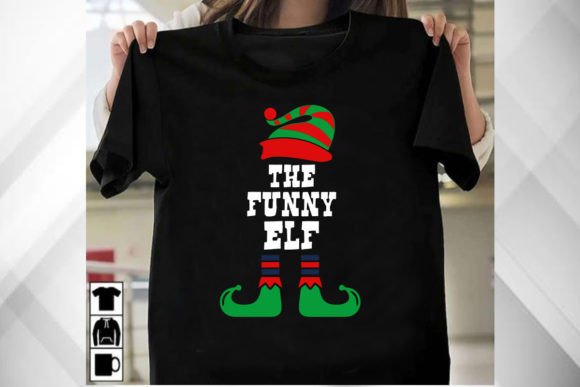
A Beer-Drinking Elf Graphic for Festive T-Shirt Designs
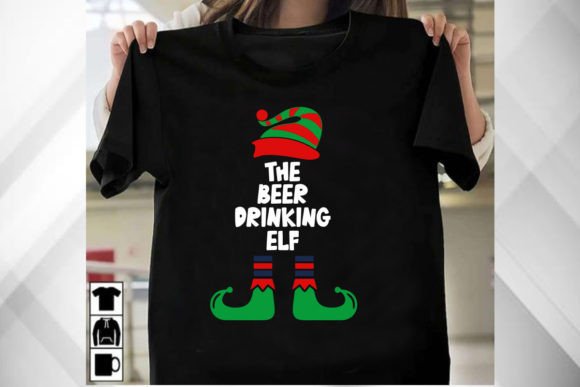
When a client project needs a dose of whimsical, seasonal character, the first impression of a design asset is everything. Opening the Beer Drinking Elf T-Shirt file, the immediate vibe is one of playful irreverence. This isn't a stern, traditional holiday illustration; it’s a graphic with a cheeky, modern twist. The style leans into a contemporary, almost alt-culture take on festive imagery, perfect for projects that want to feel merry but not overly saccharine.
The Right Client for This Cheeky Elf
This graphic design asset naturally fits clients looking to connect with a specific, often younger or more niche audience. Imagine a local craft brewery’s holiday merchandise line, an Etsy shop selling quirky Christmas apparel, or a small business running a “Ugly Sweater” themed event. The Beer Drinking Elf supports a design direction that is humorous, relaxed, and intentionally offbeat. It wouldn’t suit a corporate bank’s holiday card, but for a boutique product launch or a handmade brand’s seasonal campaign, it adds an instant, polished visual mood that feels cohesive and designed, not just cobbled together.
Putting the Elf to Work in Real Design Situations
In practical application, this graphic shines in certain areas and requires careful consideration in others. For T-shirt design, mugs, tote bags, or sticker design, it’s a strong, central hero graphic. Its character-driven nature makes it ideal for product mockups that need to tell a story quickly. In social media graphics for a holiday sale, or as a Pinterest pin for a festive blog post, it creates immediate engagement and emotional appeal.
For packaging design, say on a limited-edition beer box or a gift bag, it works beautifully as a decorative accent or part of a themed collection. In marketing visuals like flyers or digital ads for a seasonal market, it injects personality without overwhelming the necessary information.
Where This Illustration Should Be Used with Care
The detailed nature of the Beer Drinking Elf means it struggles in small sizes or crowded layouts. On a business card or as a tiny logo design element, the intricate details would vanish, harming visual hierarchy and recognition. Placed on complex backgrounds or in low-contrast designs, its impact diminishes. For projects demanding a minimalist branding approach or a very clean, professional corporate feel, this asset would likely clash with the desired tone of visual trust.
The Designer’s Practical Checklist Before Client Use
Before committing this digital product to a real client project, run it through a standard battery of tests. First, preview it at both small and large sizes to ensure legibility. Test it in black and white to check if its charm holds without color. Place it on light and dark background mockups to confirm contrast. For print-ready file use, test print quality—does the detail remain crisp on fabric or paper?
If the file includes an SVG format, inspect its vector editability. Can you easily adjust colors to match a brand identity palette? Compare the elf’s style alongside different font choices: a clean sans serif for modern balance, a script font for added whimsy, or a display font for bold headlines. This ensures brand consistency across the entire design.
Crucially, confirm the commercial license. As a professional graphic designer sourcing assets for a client’s Etsy product or print-on-demand store, you must have clear rights for commercial use. This due diligence protects your client’s business and your professionalism.
Final Impression: A Niche Asset with Polishing Power
The Beer Drinking Elf T-Shirt graphic is a specific tool. It won’t fit every project in your creative marketplace arsenal. But for the right one—a handmade business wanting festive edge, a digital seller launching holiday merch, or a content creator needing standout blog visuals—it performs. It elevates a design from a generic template to a cohesive, custom-feeling concept. It provides a ready-made centerpiece that improves the overall impression of a project, making it feel deliberate and designed. In the hands of a designer who understands its mood and tests its practical limits, this creative design asset becomes a reliable, polished part of a successful commercial design.