A Practical Review of the 'I Have No Idea What I'm Doing' Embroidery Design
As someone who’s spent years stitching both for clients and my own small shop, I approach every new embroidery file with a specific question: will this design translate into a real, beautiful, and durable finished product? Today, I’m putting the popular ‘I Have No Idea What I’m Doing’ graphic through that very practical lens.
The First Stitch Impression: Humor with a Handmade Heart
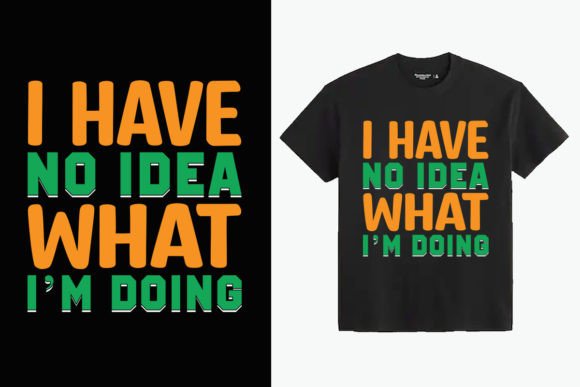
The phrase ‘I Have No Idea What I’m Doing’ immediately creates a mood of relatable, self-aware humor. It’s not cynical; it’s charmingly honest. As an embroidery design, this isn’t about intricate pictorial detail—it’s about personality. The layout and theme suggest a clean, bold statement piece. This visual personality feels perfectly suited for projects that are meant to be personal, a bit cheeky, and deeply human. It naturally belongs to the world of casual custom apparel, gifts, and boutique products where a smile is part of the value.
Where This Design Finds Its Perfect Project Home
Let’s walk through a real scenario. I recently had a client request a custom gift for a friend who was venturing into parenthood. They wanted something heartfelt but funny for a baby’s nursery. I considered this design embroidered onto a soft blanket or a cute set of baby clothes. The phrase, stitched in a playful font, would land perfectly—acknowledging the beautiful chaos of new parenting without being overly sarcastic. It’s this kind of application where ‘I Have No Idea What I’m Doing’ shines: personalized gifts, holiday presents, and small shop merchandise that connects on an emotional level.
Beyond that, it’s a strong candidate for adult apparel, too. Think of it on a cozy sweatshirt for a crafter, a tote bag for a creative entrepreneur, or an apron for the enthusiastic but novice home cook. As a potential embroidered patch, it could become a badge of humorous solidarity. For Etsy sellers and craft fair vendors, this design can be a quick-turn, engaging product that resonates with a wide audience looking for a lighthearted handmade product.
Considering Commercial Use and Visual Appeal
From a business perspective, a design like this affects customer trust and engagement because it feels authentic. It doesn’t pretend to be a complex masterpiece; it offers a genuine sentiment. That honesty translates into a strong handmade presentation. For brand consistency, if your shop’s vibe is friendly, approachable, and a little witty, this graphic could be a wonderful asset. Its giftability is high—it’s a recognition of shared experiences, making it perfect for wedding gifts for DIYers, birthday presents for new hobbyists, or just a fun item for someone’s collection.
The Stitching Reality: Performance and Practical Caveats
Now, for the hands-on part. How does ‘I Have No Idea What I’m Doing’ perform in actual embroidery situations? The key consideration will be the lettering. If the design uses small, intricate script, stitch clarity becomes paramount. On textured fabrics like a waffle-knit sweatshirt or a canvas tote bag, tiny details can get lost. On thin or stretchy fabric, such as a classic t-shirt, stabilizer choice is critical to prevent puckering and maintain the design’s clean shape.
Dark fabric requires thoughtful thread color selection for proper contrast, while curved surfaces like caps demand attention to the design’s orientation and density to avoid distortion. The phrase’s success hinges on readability. If the embroidery file uses dense fill stitches in large areas, it could feel heavy on lightweight garments. Conversely, if it relies on fine running stitches for detail, it might not withstand frequent washing on items like kitchen towels or baby clothes. These are the realities an embroidery designer must weigh.
Spots to Use With Extra Care
I would advise using this design carefully on very small hoop sizes where lettering might become cramped. Also, on products with detailed corners or layered garment sections, the placement needs precise planning. If the design includes any decorative accents around the text, inspect those small elements in a test run. The goal is to ensure the final product doesn’t look crowded or blurry, but retains its cheerful, clear statement.
Notes From the Hoop: A Designer’s Checklist
Before loading this file for a client project or my own craft business stock, my process is always the same. First, I stitch it out on scrap fabric—preferably a similar type to my target product. This test reveals everything: thread color contrast, actual stitch density, and the behavior of any small details. I check it in both black and white thread on contrasting backgrounds to see its impact on light and dark fabric.
I confirm the required hoop size for my specific machine embroidery project and, of course, use the proper stabilizer for the fabric. A crucial step for any digital embroidery file intended for commercial embroidery or sale as a finished product is to verify the licensing terms. Is it for personal use only, or does it allow for selling the physical items I create? This information is essential for Etsy sellers, digital product sellers, and anyone running a small shop. Since the provided description mentions being a ‘print ready file’ from a professional graphic designer, it’s vital to clarify these terms directly with the designer or platform before proceeding with commercial projects.
Finally, I consider its versatility. Does ‘I Have No Idea What I’m Doing’ work well as a standalone statement on a pillow cover, or would it benefit from complementary elements on a more complex boutique product? Thinking through these applications helps maximize its value as a design asset.
The Final Take: A Design That Delivers When Planned Well
‘I Have No Idea What I’m Doing’ is more than a T-shirt design or a graphic; it’s a sentiment that, when embroidered with care, becomes a tangible piece of connection. Its practical value lies in its broad appeal and emotional resonance. For embroidery designers and creative entrepreneurs, it represents an opportunity to create products that feel personal and engaging. By paying attention to the fabric, the stitching details, and the end-use, this design can be transformed from a simple digital file into a cherished handmade product, a successful small shop item, or a perfectly personalized gift. Just remember—knowing what you’re doing during the embroidery process is the key to making that ‘no idea’ phrase look absolutely brilliant.