Nana Needs Coffee: A Designer’s Real-World Embroidery Review
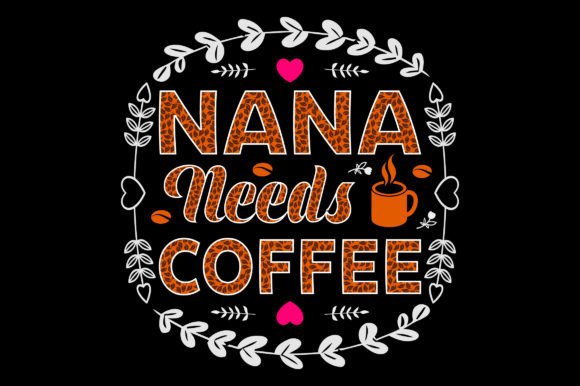
You find yourself browsing for a new design, something with personality, something that speaks to a real mood. You click on Nana Needs Coffee Sublimation SVG TShirt. It’s more than a title; it’s a statement. Your first thought is practical: will this translate well from a digital graphic to a tactile, embroidered product?
The Immediate Mood and Appeal
The charm of this design is its clear, relatable theme. It creates an instant connection—humorous, warm, and a bit weary, perfect for anyone who appreciates that first (or fifth) cup. Visually, the layout suggests a central, impactful element, likely that bold text “Nana Needs Coffee.” The square dimensions and high resolution promise that the details won’t get lost. This isn’t a hyper-complicated illustration; it’s a design with a strong visual personality that feels ready for the hoop.
For embroidery, this means the design naturally belongs to projects where the message is the star. Think of a cozy, embroidered sweatshirt for a gift, a standout patch on a tote bag, or a simple, clean decoration on a kitchen apron. It has that “giftable” quality—you can immediately picture it on a finished product.
Where This Design Shines in Real Projects
Let’s walk through a real scenario. I’m preparing a custom order for a client: a high-quality embroidered tote bag for a grandmother who runs her own small boutique. She wants something fun and personal for her market days. Nana Needs Coffee Sublimation SVG TShirt pops into my mind. The clear, likely bold lettering and supporting graphics would stitch out with excellent clarity on the bag’s cotton canvas. The mood is perfect—it’s professional yet personal, exactly what her customers would appreciate.
This design would perform wonderfully across a range of typical embroidery projects. On a heavyweight sweatshirt, the stitch density would look substantial and valuable. On a baby item, like a burp cloth or a little hoodie (for a coffee-loving mom, of course), scaled appropriately, it would be a cute, personalized gift. As a embroidered patch, it could be applied to caps, aprons, or pillow covers, offering versatility for a craft business. For small shop merchandise or Etsy listings, the design’s strong theme helps products stand out in photos and printable mockups.
A Note on Commercial Use and Digital Assets
The provided file formats—an editable EPS and a PNG—are crucial. The EPS file allows for adjustments if needed, perhaps to simplify an element for stitching or to tweak colors for specific thread colors. The high-resolution PNG is excellent for creating product previews and marketing your finished work. As a designer reviewing this for real use, I always advise: check the licensing details provided with the files to confirm it’s suitable for both personal and commercial embroidery projects before selling any finished items.
Considerations for Successful Stitching
While the design has clear appeal, its successful translation to thread depends on mindful execution. The devil is in the details, especially with text-based designs.
Small details and lettering are the first area for attention. If “Nana Needs Coffee” includes thin script or tiny decorative elements, they might require careful hoop size selection and appropriate stabilizer to prevent puckering or loss of clarity. I would always test the design on scrap fabric first, using the same material as the final project. This reveals how the stitch density behaves and whether any areas are too dense for lightweight fabrics.
Fabric choice dramatically affects the outcome. On dark fabric, thread color contrast is paramount; a test stitch helps choose the right palette. On stretchy fabric like t-shirts, robust stabilization is non-negotiable to maintain the design’s shape. For items like caps with curved surfaces, the design’s layout must be evaluated to ensure it fits the available sewing field without distortion.
Products destined for frequent washing, like kitchen towels or baby clothes, need a stitch construction that holds up. Reviewing the file for very small, isolated satin stitches or delicate fill areas is wise; they may need reinforcement in the digitizing process if you’re editing the EPS file.
The Impact on Your Business and Customer
Using a design like this isn’t just about the stitch; it’s about the finished product’s story. When you embroider Nana Needs Coffee Sublimation SVG TShirt onto a item, you’re creating a handmade product with immediate emotional resonance. That enhances product value and customer trust—they see a thoughtful, well-executed piece.
For a creative entrepreneur, this consistency in choosing designs with strong personalities builds brand consistency. Your shop develops a recognizable voice. The design’s visual appeal and stitching clarity directly influence buyer engagement; a clean, professional embroidery result makes people more likely to purchase, whether at a craft fair or online.
The giftability factor is high. It’s easy for a customer to envision this on a gift for a friend, mother, or colleague. That makes your finished product easier to market and sell.
Practical Steps Before You Hoop It
Here’s my quick checklist, the kind of mental notes I make before committing a design to a client project:
- Run a test stitch, even a small section, on your project fabric or a close match.
- Check thread color contrast by viewing the design in a simple black-and-white mockup to judge light/dark balance.
- Confirm your machine’s hoop size can accommodate the design at the desired final size without compromising detail.
- Inspect the digital file closely for any extremely small elements that might not stitch cleanly.
- Always use the correct stabilizer for your fabric type; it’s the foundation of a good result.
- If using for commercial products, double-check the license terms included with the digital embroidery file.
Final Design Judgment: A Versatile, Mood-Driven Asset
In my experience as a designer and product reviewer, Nana Needs Coffee Sublimation SVG TShirt stands out as a versatile embroidery design with a strong, marketable mood. It’s not a generic graphic; it’s a conversation starter captured in a file. Its success hinges on the embroiderer’s skill in pairing it with the right project and executing it with technical care.
For the apparel decorator looking for a fun addition to their lineup, the Etsy seller crafting personalized gifts, or the maker wanting to add a humorous touch to their home goods, this design offers a solid foundation. It promises a finished product that feels thoughtful, professional, and delightfully human—which, in the end, is what turns a good embroidery project into a great one.