Reel Bitches Catch Fishes: A Designer's Embroidery Review
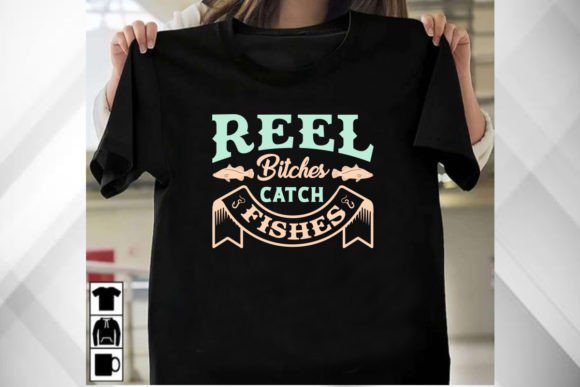
When a new embroidery design lands on my screen, my first thought isn't about the file specs—it's about the story it will tell when stitched. The "Reel Bitches Catch Fishes" T Shirt design presents an immediate, playful attitude. It's bold, unapologetically fun, and carries a vibe that's perfect for someone who loves fishing with a dose of humor. The layout feels balanced for a chest placement or a shoulder patch, and the level of detail suggests it's not overly complex, which can be a huge advantage for embroidery on varied fabrics. This isn't a delicate, formal motif; it's a statement piece.
The Right Project for This Kind of Personality
I envision this design shining on a custom embroidered tote bag for a fishing enthusiast. Imagine a sturdy canvas tote, the embroidery sitting proudly on the side, becoming a conversation starter at the marina or a craft fair. It would also be a fantastic choice for a relaxed, heavyweight sweatshirt—a cozy, personalized gift that feels handmade and specific. The theme lends itself perfectly to casual, lifestyle-focused products: aprons for the cook who also loves the lake, pillow covers in a rustic cabin, or even a well-placed patch on a denim jacket. For small business owners, this could be a standout item in a niche boutique selling outdoor-themed merchandise.
Where the Stitches Might Face a Challenge
While the design's charm is clear, practical embroidery requires some foresight. The lettering, particularly "Bitches," is likely the focal point. On very small hoop sizes or curved surfaces like caps, that text needs careful attention to maintain clarity. Stitching this onto thin, stretchy fabric like a standard t-shirt without proper stabilizer could lead to puckering or distortion, especially if the stitch density is high. I'd be cautious with very dark fabrics unless the design file includes proper underlay or punch settings for contrast.
For products destined for frequent washing—think kitchen towels or baby clothes (though the theme is clearly adult)—you'd want to ensure the stitch structure is robust. Dense fill areas on the fish or reel elements could become stiff on textured fabrics. The key is matching the design's personality to a substrate that can support it physically.
From Digital File to Finished Product Value
When you transition a digital embroidery file like this into a physical product, the visual appeal directly impacts perceived value. A clean, crisp rendition of "Reel Bitches Catch Fishes" on a high-quality sweatshirt elevates it from a simple graphic to a desirable handmade item. For Etsy sellers and crafters, that craftsmanship builds customer trust. The design's inherent humor and recognition factor can drive engagement—it's instantly understandable and shareable, which is gold for social media marketing and printable mockups.
However, brand consistency matters. If your shop's vibe is serene and minimalist, this bold, playful design might feel off-brand. But if you cater to a fun-loving, outdoor-oriented crowd, it could become a signature product. As a personalized gift, it has high giftability for a specific person; it feels thoughtful and unique, not generic.
A Real-Life Scenario: Preparing for a Client Order
Let's say a client requests this design on a set of embroidered pillow covers for a fishing lodge. My process would start far from the machine. I'd first examine the design file closely, looking at how the details break down. Are the outlines of the fish defined for a smooth satin stitch or a running stitch? How do the elements overlap? Then, I'd stitch it out on scrap fabric of similar weight to the final pillow cover material. This test reveals everything: thread color contrast, whether small details like the fishing line get lost, and how the overall layout sits in the hoop.
I'd also run a simple black-and-white mockup to see how it reads without color, and test it on both light and dark background scraps. This isn't just about aesthetics; it's about stitch integrity. Using proper stabilizer for the project fabric is non-negotiable here. Finally, before any commercial embroidery project moves forward, confirming the licensing terms of the design file is essential. Can you sell the finished pillow covers? Always verify this before listing the product in your small shop.
Practical Notes for the Embroidery Designer
Before committing "Reel Bitches Catch Fishes" to a final product, treat it like any serious embroidery project. Test, test, test. Check the stitch density on your specific machine and fabric combination. Inspect the small details in your test stitch-out—are there any tiny corners or tight spaces that might need manual adjustment? Confirm the hoop size you plan to use accommodates the entire design comfortably without forcing compression.
- Evaluate thread color choices for both light and dark fabric applications.
- Consider whether an applique technique could be used for certain elements to reduce stitch density.
- Assess how the design scales if you need a larger or smaller version.
- Ensure your finished product, like a tote bag or custom apparel, can handle the embroidery's physical presence without warping.
This design, as a graphics asset, has clear commercial potential for craft businesses and digital product sellers. Its strength is its strong thematic identity. When embroidered well, it translates that digital creativity into tangible, sellable charm. It feels less like a generic T-Shirt Designs file and more like a ready-made character for your next embroidery project. Approach it with a practical eye, match it to the right product, and it could reel in plenty of satisfied customers.